Treatment-Resistant Depression: Symptoms, Causes & Next Steps
- Treatment-resistant depression (TRD) usually means depression has not improved enough after two antidepressants taken at the right dose for the right amount of time.
- Estimates indicate more than 50% of adults treated for depression meet the criteria for TRD, yet the condition remains under-recognized.3
- TRD does not mean nothing will work. It means the next step may need to be more personalized.
- Signs of TRD can include symptoms that do not lift, improvement that stalls or depression that continues to disrupt work, sleep, relationships or daily life.
- Treatment options may include medication adjustments, psychotherapy, TMS, SAINT®, SPRAVATO® and other advanced approaches.
.png)
The term “treatment-resistant depression” can feel discouraging the first time a patient hears it. It can sound like treatment has failed, or worse, that the person has. In reality, treatment-resistant depression (TRD) is simply a clinical term used when standard antidepressants have not worked well enough.
For many people, TRD comes after months or years of trying treatments that did not work, while navigating a system that was not built for complexity. But TRD is not the end of depression care. It is a signal that the path to relief may need to look different from what was tried first.
What Is Treatment-Resistant Depression?
Treatment-resistant depression is a subset of major depressive disorder (MDD) in which symptoms persist despite appropriate treatment.1
There is no single universally accepted definition, but the most widely used one, adopted by the U.S. Food and Drug Administration (FDA) and European Medicines Agency (EMA), describes TRD as an inadequate response to at least two antidepressants given at an adequate dose and duration.2,3 Adequate duration is typically six to eight weeks per medication, with the patient taking it as prescribed.
Estimates indicate that more than 50% of people treated for depression meet this definition.3 In the United States alone, that translates to millions of adults living with depression that has not lifted despite medication trials.
It is a clinical pattern that tells a care team it is time to expand the treatment plan beyond first-line medication.
How Is Treatment-Resistant Depression Diagnosed?
There is no single blood test, brain scan, or universally accepted diagnostic criteria for TRD. Diagnosis starts with careful review of your treatment history, current symptoms and what is still affecting your daily life.
A thorough clinical evaluation looks beyond medication history. A comprehensive intake helps ensure nothing is missed, because sometimes what looks like TRD is actually an undiagnosed medical condition, an under-treated anxiety disorder, a substance use issue, or a side effect of another medication.
During a clinical evaluation, your provider will typically review:
- Which medications you have tried — to understand whether you have had two adequate antidepressant trials
- Dose and duration — a medication may not count as a full trial if the dose was too low or stopped too early
- Side effects — some people stop because the medication was not tolerable, not because it had no potential benefit
- Current symptoms — TRD can include ongoing sadness, hopelessness, fatigue, loss of interest, sleep changes or trouble concentrating
- Safety concerns — suicidal thoughts, self-harm risk or worsening function may require urgent care
- Other diagnoses — anxiety, PTSD, bipolar disorder, ADHD or substance use can change the treatment plan
- Medical contributors — thyroid issues, chronic pain, sleep apnea, medication side effects or nutrient deficiencies can worsen depression
.png)
Signs That Depression May Be Treatment-Resistant
Recognizing TRD early matters because longer depressive episodes often become harder to treat. Common signs that depression may be treatment-resistant include:
- Little or no improvement after two or more antidepressant trials given at an adequate dose and duration.
- Partial improvement that plateaus below full remission, where symptoms improve, but do not resolve.
- Returning depressive episodes despite staying on medication.
- Worsening daily functioning, including difficulty at work, withdrawal from relationships, trouble sleeping or caring for oneself.
- Recurrent suicidal thoughts or increasing hopelessness.
- Multiple hospitalizations or emergency mental health visits.
If several of these apply, it is worth having a clear conversation with a psychiatrist about whether TRD applies and what treatment pathways come next.
What Causes Treatment-Resistant Depression?
There is rarely one cause of TRD. Most cases reflect overlapping biological, medical and clinical factors.
Some people metabolize medications differently. Some have symptoms that do not respond well to standard antidepressants alone, and some have co-occurring anxiety, trauma, sleep problems, chronic pain or medical issues that keep depression active. Others have been treated in a fragmented system where each provider only sees one piece of the story.
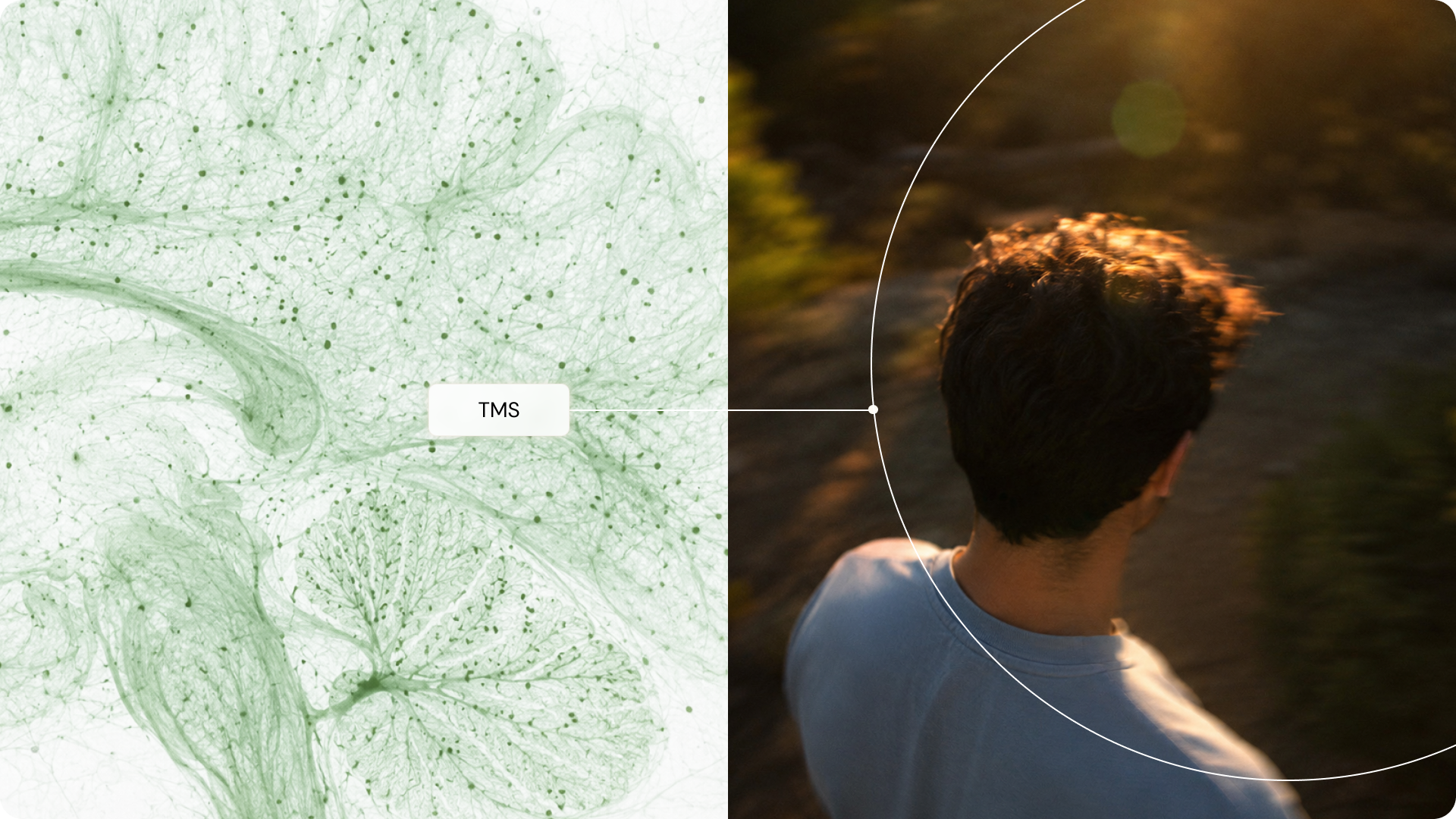
Depression is not simply a “chemical imbalance.” It involves brain circuits that affect mood, motivation, attention, sleep, reward and emotional regulation. That is one reason advanced treatments such as SAINT and TMS focus on brain networks involved in depression, not just medication chemistry.
Underlying mental or physical health factors
Unrecognized or undertreated co-occurring conditions, such as generalized anxiety disorder, PTSD, ADHD, thyroid disease, chronic pain, obstructive sleep apnea or bipolar disorder, can make depression look resistant when another illness is actually driving or sustaining the symptoms.
Severe Treatment-Resistant Depression
Severe treatment-resistant depression describes cases in which depression is both long-standing and profoundly impairing. People with severe TRD have often had depression for years, have tried multiple medications, and continue to experience high symptom burden, including persistent suicidal ideation or repeated safety concerns.
The cost of severe TRD is high. Studies have found that individuals with TRD are about twice as likely to be hospitalized as those whose depression responds to treatment, and those hospitalizations cost nearly six times more on average.2 Severe TRD is also associated with higher rates of disability, missed work, damaged relationships and co-occurring medical illness.
Severe TRD calls for coordinated care, including psychiatry, therapy and advanced interventions such as neuromodulation or esketamine.
Next Steps for Treating Treatment-Resistant Depression
The next step is not starting over. It’s looking deeper. TRD means the care plan may need to change.
Medication changes
Clinicians may re-evaluate the current medication, adjust the dose, switch to a different antidepressant or add another medication to support the one you are already taking. This is sometimes called augmentation.
Psychotherapy and combined care
Therapy remains an important part of TRD care, especially when depression is tied to trauma, grief, anxiety, relationship stress or long-standing thought and behavior patterns. Therapy can also help patients rebuild daily function as symptoms begin to improve.
TMS therapy
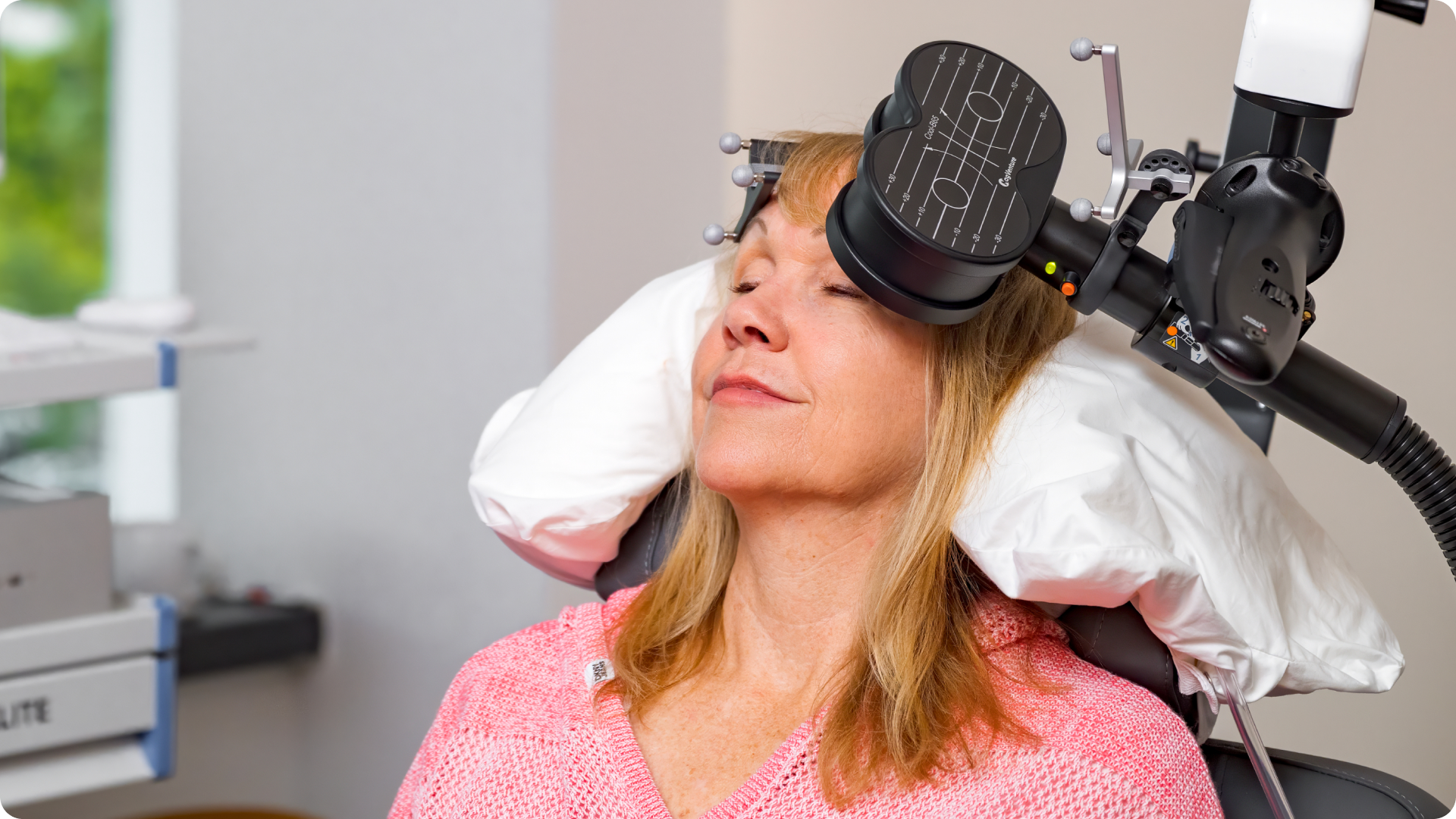
Transcranial magnetic stimulation, or TMS, is an FDA-cleared, noninvasive outpatient treatment that uses magnetic pulses to stimulate mood-regulating regions of the brain. Treatment is typically delivered five days a week for four to six weeks. A systematic review and meta-analysis of randomized, double-blind, sham-controlled trials found that repetitive TMS produces meaningful improvements in response and remission rates in people with depression.4
SAINT® therapy
SAINT® (Stanford Accelerated Intelligent Neuromodulation Therapy) is an accelerated form of TMS developed at the Stanford Brain Stimulation Lab and FDA-cleared for adults with MDD who have not responded to prior antidepressants. SAINT compresses treatment into five consecutive days, with 10 short sessions per day, and uses fMRI to personalize the stimulation target for each patient. In the landmark randomized controlled, double-blinded clinical trial evaluating SAINT for MDD, 79% of participants in the active treatment group achieved remission from their depression within four weeks post-treatment.5
SPRAVATO®
SPRAVATO, the brand name for esketamine nasal spray, is FDA-approved for treatment-resistant depression in adults. It must be administered under supervision in a certified healthcare setting because patients need monitoring after each dose. The FDA label also notes it may be used as monotherapy or with an oral antidepressant for TRD in adults.
Intensive outpatient care and coordinated support
For some patients, especially when depression is affecting daily function, an intensive outpatient program can provide more structure than weekly therapy alone. Coordinated care can also help patients move between psychiatry, therapy, advanced treatments and follow-up support without having to manage everything alone.
How Salma Health approaches TRD
At Salma Health, treatment-resistant depression is treated as a brain health condition that deserves a personalized, comprehensive plan. Our care process starts with a thorough look at your history, symptoms and goals.
For patients who haven't responded to medication, that may include advanced options like TMS therapy, SAINT or Spravato. We also accept a range of insurance plans, including TRICARE for Veterans and military families. No matter where you are in your journey, you will not have to navigate it alone.
When to Seek More Immediate Help
Depression can be dangerous. Seek immediate help if you or someone you love is experiencing:
- Thoughts of suicide or self-harm
- Plans or preparation to act on those thoughts
- Sudden, severe worsening of mood or functioning
- Inability to care for oneself
- Psychotic symptoms such as hallucinations or delusions
In the U.S., call or text 988 to reach the Suicide & Crisis Lifeline, or go to the nearest emergency department. Treatment-resistant depression can include safety risks, and urgent care is never the wrong choice when those risks are present.
References
1. Voineskos D, Daskalakis ZJ, Blumberger DM. Management of Treatment-Resistant Depression: Challenges and Strategies. Neuropsychiatr Dis Treat. 2020 Jan 21;16:221–234. doi: 10.2147/NDT.S198774
2. Baig-Ward KM, Jha MK, Trivedi MH. The Individual and Societal Burden of Treatment-Resistant Depression: An Overview. Psychiatr Clin North Am. 2023;46(2):211–226. doi: 10.1016/j.psc.2023.02.001
3. Pigott, H. E., Kim, T., Xu, C., Kirsch, I. & Amsterdam, J. What are the treatment remission, response and extent of improvement rates after up to four trials of antidepressant therapies in real-world depressed patients? A reanalysis of the STAR*D study’s patient-level data with fidelity to the original research protocol. BMJ Open 13, e063095 (2023).
4. Berlim MT, van den Eynde F, Tovar-Perdomo S, Daskalakis ZJ. Response, remission and drop-out rates following high-frequency repetitive transcranial magnetic stimulation (rTMS) for treating major depression: a systematic review and meta-analysis of randomized, double-blind and sham-controlled trials. Psychol Med. 2014;44(2):225–239. doi: 10.1017/S0033291713000512
5. Cole EJ, Stimpson KH, Bentzley BS, et al. Stanford Accelerated Intelligent Neuromodulation Therapy for Treatment-Resistant Depression. Am J Psychiatry. 2020;177(8):716–726. doi: 10.1176/appi.ajp.2019.19070720
Why Salma Health?
With locations in La Jolla, Laguna Hills, and the Bay Area, Salma Health offers advanced mental and behavioral health care in California, with both in-person and virtual options. We support individuals living with depression, anxiety, PTSD, OCD, brain injuries, and related conditions, using personalized, science-backed approaches.
Start Your Journey Today
Getting started doesn’t have to be overwhelming. You can begin with a 15-minute Care Options Call, connect with our care team, complete a comprehensive intake, or schedule online. We meet you where you are and build care around your needs. Schedule your first appointment today and experience a higher standard of brain care—grounded in science, clarity, and continuity.
Related Articles

.png)



The professional services made available through Salma Health, Inc. are provided by licensed clinicians affiliated with independently owned and operated professional practices, including Center for Neurohealth, Inc., dba Salma Health, Ocean Psychiatry, Inc, and Salma Health LLC. Salma Health, Inc. provides administrative, technology and other related services to the professional practices it supports and does not itself provide any medical, mental health or other healthcare provider services. The content on this website has been reviewed by Center for Neurohealth, Inc., dba Salma Health, Ocean Psychiatry, Inc, and Salma Health LLC. The content on this website is for information purposes only and is not a substitute for professional medical advice, diagnosis or treatment.
