
Five Signs it May Be Time to Seek a Second Opinion for Depression Treatment
- Depression treatment is not a one-size-fits-all. If your current plan is not helping enough, a second opinion may help clarify what to change next.
- Signs it might be time to reassess care include limited improvement, repeated treatment attempts, side effects, diagnostic uncertainty or feeling unheard in treatment.
- A second opinion is not a setback. It can help refine your diagnosis, expand your treatment options and move you toward more personalized care.

Depression is one of the most common health conditions in the United States, yet no two treatment paths are exactly the same. While many people find relief with their first treatment plan, others may need a more personalized or advanced approach. Knowing when to seek a second opinion can be an important step toward finding more effective care, and a clearer path to relief.
At Salma Health, our broader care model is built around personalized, evidence-based treatment that adapts to the individual rather than forcing everyone into the same path. The goal is not to start over for the sake of it; rather, the goal is to understand what is working, what is not, and what may help next.
Depression treatment isn’t one-size-fits-all
Depression affects millions of Americans each year. [1] While treatments such as psychotherapy, medication and newer approaches like neuromodulation and esketamine are often effective, many patients do not achieve full remission with their first treatment. In the STAR*D study, about one-third of participants reached remission after an initial antidepressant trial, and remission rates declined with each additional treatment step. [2] This is often referred to as treatment-resistant depression (TRD), typically defined as depression that does not improve after trying at least two appropriate treatments. [3]
“Depression isn’t a single-path condition, rather it’s shaped by a mix of biological, psychological and environmental factors,” said Brandon Bentzley, M.D., Ph.D., neuropsychiatrist and Chief Medical Officer at Salma Health. “So if a first treatment isn't working, that's not a verdict on the patient or their illness—it's a signal that we need to keep matching treatment to biology until we find the right fit.”
Dr. Bentzley understands that the process can be difficult. “If initial treatments don’t bring relief, it’s natural for patients to start losing hope,” he said. “That feeling is driven by the illness itself, which is why care needs to be empathetic, flexible and persistent. That’s the philosophy behind Salma Health—personalized, evidence-based care that evolves with the patient, no matter where they are in their mental health journey.”
5 signs it may be time for a second opinion
It can be difficult to distinguish between normal fluctuations in recovery and signs that a change may be needed. These indicators may suggest it’s time to seek another perspective:
1. You’re not seeing enough improvement with your current treatment plan
If you’ve been following your current treatment plan for several weeks or months and your symptoms still feel heavy, it might be time to reassess. Persistent low mood, fatigue, or loss of interest in daily life can signal that your current approach may need to be adjusted.
2. You’ve had several treatment attempts without meaningful relief
Trying different medications or adjusting dosages is common. But if you’ve gone through two or more appropriate treatments without meaningful improvement, it may be time to explore more specialized or advanced options. This pattern may suggest treatment-resistant depression.
3. Side effects are interfering with daily life
A treatment may offer some benefit but still be difficult to sustain due to side effects. Fatigue, sleep disruption, weight changes, or emotional blunting are common reasons patients seek alternatives. A second opinion can help determine whether a different medication strategy, therapy approach or non-invasive treatment option might be a better fit.
4. Your diagnosis may need a closer look
Depression can overlap with other conditions, including anxiety, bipolar disorder, trauma-related disorders, memory conditions and other mental health concerns. If treatment hasn’t worked the way that it should, it may be worth revisiting whether the diagnosis, or the full picture, has been understood correctly.
5. You feel stuck or unheard
Mental health care should feel collaborative. If you do not feel listened to, if your questions are not being answered, or if you are uncertain why your treatment plan is still the same, it is reasonable to seek another perspective. A second opinion can offer clarity even when it does not completely change the direction of care.
What a second opinion can offer
Seeking a second opinion isn’t a setback; it’s a step toward more personalized care. It can provide:
- Medication adjustment, different medications or optimized combinations
- Different therapy approach
- A more complete, individualized diagnostic workup
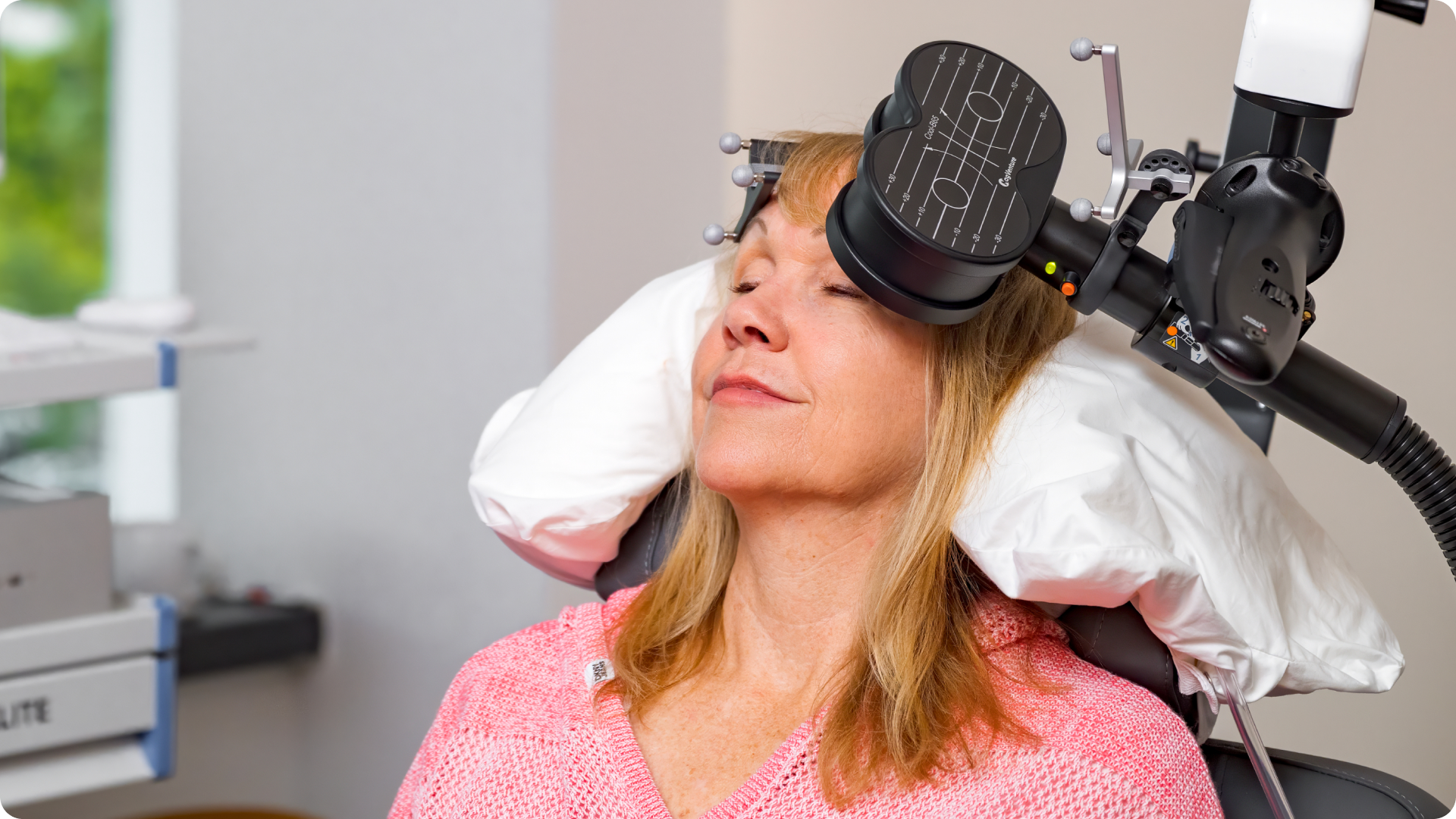
- Advanced treatments, including TMS, SAINT (accelerated TMS) or esketamine when appropriate
Overcoming the hesitation
It’s normal to feel uncertain about seeking a second opinion. Some people worry about offending their provider or feel hesitant about starting over. In reality, second opinions are a standard part of high-quality care—especially for complex mental health conditions like depression.
Moving forward with confidence
Depression can make self-advocacy difficult—but it can also be a powerful step toward recovery. If your current treatment isn’t working, you are not out of options. Newer approaches, especially in neuromodulation and other advanced depression treatments, are expanding what may be possible for people who have not responded well to traditional care. At Salma Health, a second opinion is not framed as starting over. It’s a way to move forward with more clarity, more options and a treatment plan that better reflects the person you are and the needs you have.
Cited sources:
Why Salma Health?
With locations in La Jolla, Laguna Hills, and the Bay Area, Salma Health offers advanced mental and behavioral health care in California, with both in-person and virtual options. We support individuals living with depression, anxiety, PTSD, OCD, brain injuries, and related conditions, using personalized, science-backed approaches.
Start Your Journey Today
Getting started doesn’t have to be overwhelming. You can begin with a 15-minute Care Options Call, connect with our care team, complete a comprehensive intake, or schedule online. We meet you where you are and build care around your needs. Schedule your first appointment today and experience a higher standard of brain care—grounded in science, clarity, and continuity.
.png)



The professional services made available through Salma Health, Inc. are provided by licensed clinicians affiliated with independently owned and operated professional practices, including Center for Neurohealth, Inc., dba Salma Health, Ocean Psychiatry, Inc, and Salma Health LLC. Salma Health, Inc. provides administrative, technology and other related services to the professional practices it supports and does not itself provide any medical, mental health or other healthcare provider services. The content on this website has been reviewed by Center for Neurohealth, Inc., dba Salma Health, Ocean Psychiatry, Inc, and Salma Health LLC. The content on this website is for information purposes only and is not a substitute for professional medical advice, diagnosis or treatment.
