
Are Antidepressants Overprescribed? Facts, Misconceptions & Alternatives
- Antidepressants can be effective and even lifesaving, but they are not necessarily the right answer for everyone.
- When people don’t find relief from antidepressants it is often due to fragmented brain health care, including limited access to specialists, rushed visits and too little follow-up.
- A good medication plan should include a clear diagnosis, regular reassessment and a safe tapering strategy if a decision is made to discontinue treatment.
- For treatment-resistant depression, advanced treatments include TMS, SAINT®, SPRAVATO® and ECT. In addition, therapy and Intensive Outpatient therapy (IOP), can be used as alternatives or in addition to antidepressants.

The national conversation around psychiatric medication is changing. More people are asking whether antidepressants are prescribed too often, started too quickly or continued without enough guidance and follow-up. These are valid questions, but the answer isn’t a simple yes or no.
For some people, antidepressants are an important, even essential, treatment. They can reduce symptoms, improve daily functioning and restore stability when depression, anxiety or other brain health conditions interfere with everyday life. For others, medication may provide insufficient relief, cause unwanted side effects, or fail to address the full scope of what is driving their symptoms.
The better question is whether patients are receiving the right evaluation, access to the appropriate treatment options and ongoing support after treatment begins.
“The concern is that many patients never receive a comprehensive evaluation before treatment begins,” says Dr. Shareh Ghani, clinical director for Salma Health. “When care becomes rushed or fragmented, opportunities for accurate diagnosis and individualized treatment planning can be missed.”
Are antidepressants overprescribed? What the data shows
According to the Centers for Disease Control and Prevention, 11.4% of U.S. adults take prescription medication for depression.[1] A 2026 analysis by the Health Care Cost Institute found that nearly three-quarters of antidepressant and anti-anxiety prescriptions are written by primary care physicians.[2]
That fact alone does not mean antidepressants are being prescribed inappropriately. In many communities, primary care clinicians provide the only accessible mental healthcare because patients cannot find a psychiatrist, cannot afford one or cannot wait months for an appointment.
The concern is that treatment often occurs within a system that leaves little time for comprehensive assessment and follow-up.
A patient may receive a prescription after a brief visit without a full diagnostic workup. Screening for trauma, sleep disorders, substance use, bipolar disorder or medical conditions that can affect mood may be incomplete. Patients may not fully understand what improvement should look like, how long treatment may last or what to do if side effects occur. This is why the overprescribing debate can miss the larger issue. The real gap is often between trial-and-error treatment and comprehensive care .
Patients should understand why they are taking a medication, how progress will be measured and what the plan is if the medication no longer helps. At the same time, the solution is not to stigmatize antidepressants or encourage people to stop treatment on their own. The better answer is to ensure people have access to more accurate diagnoses, stronger follow-up and the full range of appropriate evidence-based treatments.
How to know if you need antidepressants
If you are asking, “Do I need antidepressants?” the answer should come from a careful evaluation, not a checklist.
Depression and anxiety affect people differently. Some experience persistent sadness, hopelessness or numbness. Others struggle with irritability, exhaustion, restlessness or difficulty concentrating. Changes in sleep, appetite, motivation and energy are also common. According to the National Institute of Mental Health, depression can involve genetic, biological, environmental and psychological factors[3], which is one reason treatment should be individualized.
Medication may be appropriate when symptoms are moderate to severe, interfere with daily functioning, persist over time or fail to improve with other forms of support. It may also be recommended when depression is recurrent, anxiety becomes disabling or symptoms create safety concerns.
If you are seeking treatment for depression, anxiety or another mental health condition, a thorough evaluation should consider:
- Your symptoms, how long they have been present and how they affect your life
- Your medical, psychiatric and family history
- Previous treatment experiences and outcomes
- Whether symptoms may be connected to another mental health or medical condition
- Your goals, preferences and concerns about treatment
“Depressive symptoms can stem from many different underlying causes, including medical conditions, trauma, substance use, significant life stressors and mood disorders such as bipolar illness,” Dr. Ghani says. “The presence of depressive symptoms does not automatically mean an antidepressant is the right answer. Effective treatment begins with an accurate diagnosis and a clear understanding of what is driving the symptoms.”
That distinction matters, because the term antidepressant can be misleading. Many medications classified as antidepressants are also prescribed for anxiety disorders, OCD, PTSD and phobias. Prescription data alone cannot tell us why a medication was prescribed or whether it was inappropriate.
Context matters as well. A first episode of depression may require a different approach than recurrent depression. Someone with treatment-resistant depression may need options beyond medication, while someone with bipolar depression may require an entirely different treatment strategy.
At Salma Health, the comprehensive intake process is designed to move beyond symptom checklists to create a fuller picture of the individual. That evaluation helps determine whether medication is appropriate, whether another treatment may be a better fit or whether multiple approaches should work together.

What good medication management looks like
A medication prescription should not be a one-time transaction. It should be the start of an ongoing clinical process that evolves with the patient's needs.
Effective medication management means having a clear reason for treatment, selecting an appropriate dose and regularly evaluating whether the medication is working. It also means monitoring side effects and adjusting the plan when necessary.
A strong medication plan should include:
- A clear diagnosis or clinical rationale
- A discussion of benefits, risks and potential side effects
- A timeline for reassessment
- Objective ways to measure progress
- Coordination with therapy or other treatments when appropriate
- A plan if the medication does not help
- Guidance on safe tapering if discontinuation becomes appropriate
Regular reassessment is critical. Some people remain on antidepressants for years without revisiting whether treatment is still necessary. Others stop abruptly because they feel better or become concerned about side effects.
Stopping an antidepressant without medical guidance can lead to withdrawal symptoms, a return of depression or anxiety and, in some cases, significant safety concerns. A clinician can help create a tapering plan based on the medication, dosage, length of treatment and clinical history.
Antidepressants remain a first-line treatment for many forms of depression and anxiety because they help many people. However, like any treatment, they should be monitored carefully and discussed within the context of all available options. The goal should not be to minimize medication use, but rather to ensure medication is used thoughtfully as part of a broader treatment plan that supports long-term recovery.
Evidence-based alternatives to antidepressants
Some people need more than medication. Others cannot tolerate antidepressants, have not experienced enough relief after trying several medications, or benefit most from combining medication with additional forms of treatment.
The National Institute of Mental Health describes depression treatment as including medication, psychotherapy and brain stimulation therapies, with the last category particularly for people with treatment-resistant depression who do not improve after multiple treatment attempts.[4] Depending on a person's diagnosis, symptom severity, treatment history and goals, options may include:
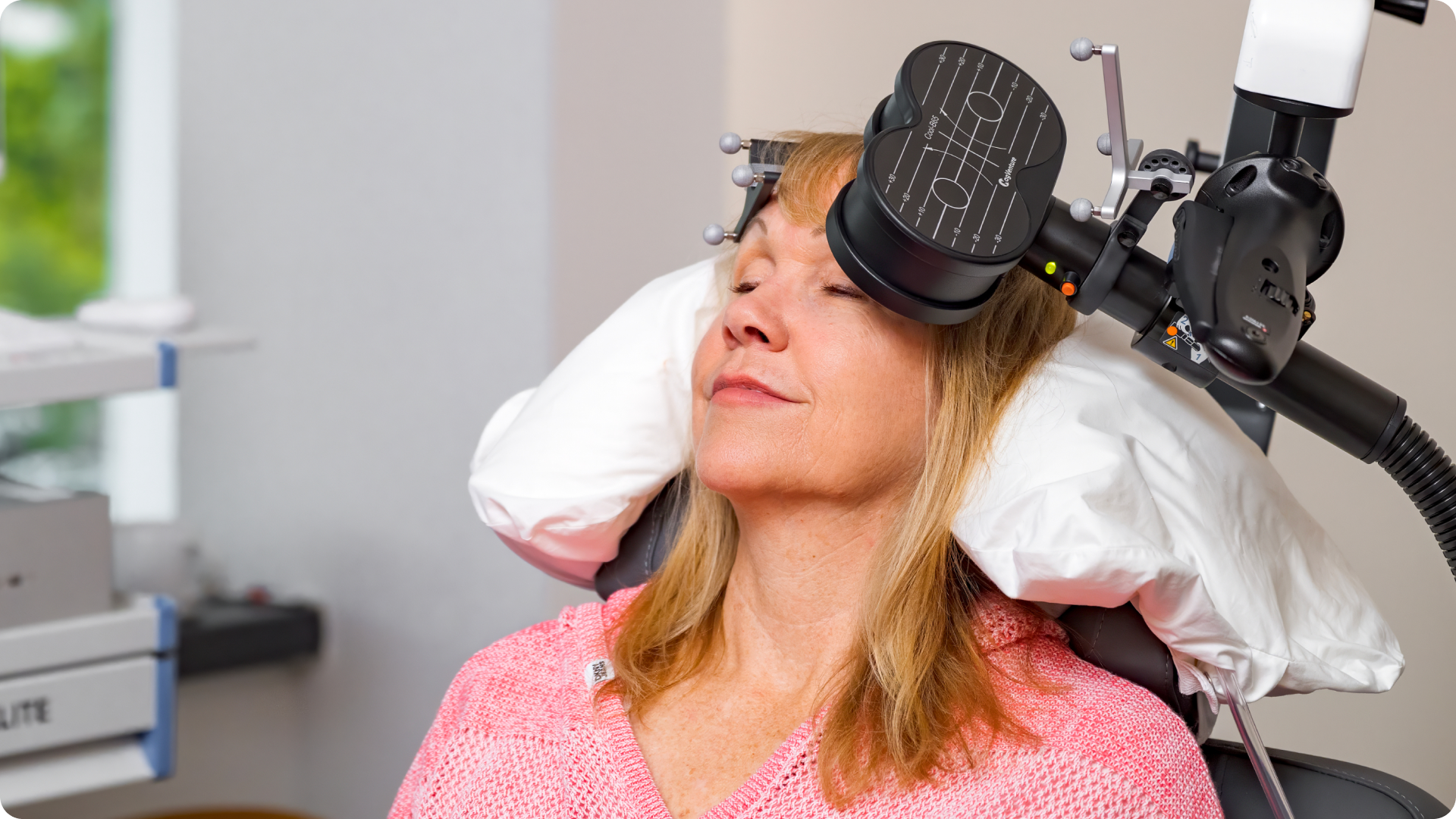
- TMS therapy: Transcranial magnetic stimulation is a noninvasive treatment that uses magnetic pulses to stimulate areas of the brain involved in mood regulation. TMS is often recommended for people who have not experienced adequate improvement with medication or who cannot tolerate medication side effects.[5]
- SAINT: SAINT is an accelerated form of TMS designed to deliver treatment over a much shorter period, typically five days rather than the six weeks associated with traditional TMS.[6] For many patients, the appeal lies in its speed and the possibility of relief without another lengthy medication trial.
- Esketamine therapy: Spravato is an FDA-approved esketamine nasal spray for certain adults with treatment-resistant depression. Treatment is administered in a certified clinical setting under medical supervision.[7]
- Virtual IOP: Intensive outpatient programs provide structured support for people who need more than weekly therapy but do not require inpatient care.[8] A virtual IOP may combine therapy, psychiatric care, skills-based support and care coordination in a flexible format you can participate in from home.
- Psychotherapy: Therapy can help patients understand behavioral patterns, develop coping skills, process trauma, strengthen relationships and manage symptoms. For many people, psychotherapy is most effective when coordinated with the rest of their treatment plan.[9]
“For some people, medication is an essential and life-changing intervention,” Dr. Ghani says. “For others, psychotherapy, behavioral interventions, identification of co-existing medical conditions or treatment of an underlying bipolar disorder may be more appropriate. The key is not to start with a product, but with the diagnosis, the history and the individual."
Each patient is different, so the same treatment won’t work for everyone. The goal is to ensure patients have access to the full range of evidence-based options and a care team capable of matching those options to their specific needs. “This is particularly important for people with complex depression, anxiety, PTSD or other brain health conditions who have already spent months or years navigating trial-and-error treatment,” continues Dr. Ghani.
One of Salma Health's key differentiators is its integrated care model. By bringing medication management, psychotherapy, TMS, SAINT, Spravato and virtual IOP services together, our team can evaluate multiple treatment pathways within a single coordinated system rather than requiring patients to navigate disconnected providers on their own.
The better question: what care do you deserve?
Questioning your medication is reasonable.
“Antidepressants are not inherently good or bad,” Dr. Ghani says. “They can be highly effective when used for the right person at the right time, with appropriate follow-up. They can also fall short when they are used without a full evaluation or become the only option offered.”
A more important question than whether medication is good or bad is whether you are receiving an accurate diagnosis, meaningful support and access to the treatments most likely to help you recover.
Some people benefit tremendously from antidepressants. Others need additional therapies, different interventions or a more comprehensive evaluation to understand what is driving their symptoms. Effective care is not about fitting every patient into the same treatment pathway. It is about building a treatment plan that fits the individual.
Salma Health was built around that philosophy. By bringing medication management, psychotherapy, TMS, SAINT, Spravato and virtual IOP services together under one roof, we provide a more integrated approach to brain healthcare and a clearer path forward for people who have felt stuck in a trial-and-error spiral.
If you're questioning whether antidepressants are right for you or whether your current treatment plan is working, the most important next step is not making changes on your own. It is having a thoughtful conversation with a qualified specialist who can evaluate the full picture and help create a plan that supports your long-term recovery.
Cited sources:
[1] https://www.cdc.gov/nchs/pressroom/releases/20250416.html
[3] https://www.nimh.nih.gov/health/topics/depression
[4] https://www.nimh.nih.gov/health/publications/depression
[5] https://my.clevelandclinic.org/health/treatments/17827-transcranial-magnetic-stimulation-tms
Why Salma Health?
With locations in La Jolla, Laguna Hills, and the Bay Area, Salma Health offers advanced mental and behavioral health care in California, with both in-person and virtual options. We support individuals living with depression, anxiety, PTSD, OCD, brain injuries, and related conditions, using personalized, science-backed approaches.
Start Your Journey Today
Getting started doesn’t have to be overwhelming. You can begin with a 15-minute Care Options Call, connect with our care team, complete a comprehensive intake, or schedule online. We meet you where you are and build care around your needs. Schedule your first appointment today and experience a higher standard of brain care—grounded in science, clarity, and continuity.




The professional services made available through Salma Health, Inc. are provided by licensed clinicians affiliated with independently owned and operated professional practices, including Center for Neurohealth, Inc., dba Salma Health, Ocean Psychiatry, Inc, and Salma Health LLC. Salma Health, Inc. provides administrative, technology and other related services to the professional practices it supports and does not itself provide any medical, mental health or other healthcare provider services. The content on this website has been reviewed by Center for Neurohealth, Inc., dba Salma Health, Ocean Psychiatry, Inc, and Salma Health LLC. The content on this website is for information purposes only and is not a substitute for professional medical advice, diagnosis or treatment.
