
Accelerated TMS: What It Is & Where SAINT® Fits
- Accelerated TMS delivers several treatment sessions a day, reducing the number of days patients need to visit the clinic.
- SAINT® is a specific form of accelerated TMS that combines MRI-guided targeting with a defined dose and a five-day schedule.
- These treatments may be an option for adults whose depression has not improved enough with antidepressant medication.
- A proper evaluation should review your treatment history, safety factors, what the day-to-day schedule will involve and what follow-up care looks like after treatment ends.
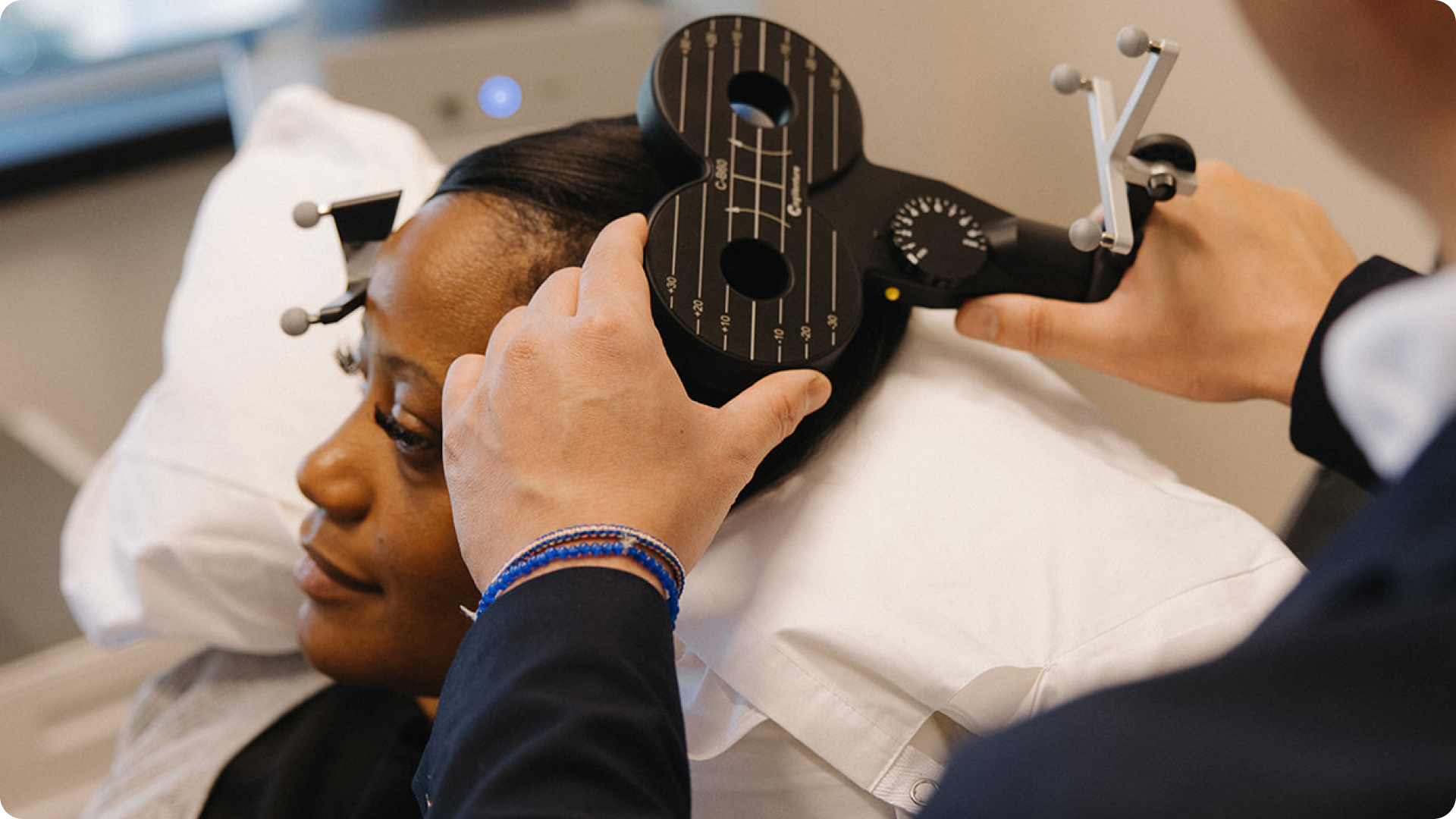
When depression doesn't improve enough with medication or therapy, it's common to start exploring other approaches, and transcranial magnetic stimulation, or TMS, is one of the options a clinician may raise. Standard TMS is typically scheduled every weekday for about six weeks, which is a significant commitment for someone who is already struggling to get through the day.
Accelerated TMS compresses that schedule by delivering several sessions in a single day over far fewer days, so treatment can be completed in days or a couple of weeks rather than months. SAINT is one specific accelerated TMS therapy, and understanding what makes it different from the broader category can make it much easier to compare the accelerated programs you may come across.
What accelerated TMS means
Accelerated TMS, or accelerated transcranial magnetic stimulation, is an intensive treatment protocol that delivers multiple magnetic brain stimulation sessions in a single day, compressing a schedule that would normally span several weeks into one to two weeks or, in some programs, just a few days. The term “accelerated” describes the timing of treatment rather than one standardized method, which means two clinics can both offer accelerated TMS while delivering it quite differently.
Accelerated protocols with FDA clearance for depression include SAINT®, which uses functional MRI (fMRI) to individualize the treatment target, and an accelerated protocol for BrainsWay's Deep TMS system, which has six treatment days in its acute phase. Other accelerated programs use different schedules, pulse patterns and targeting methods.
When a clinic offers accelerated TMS, it is worth asking which protocol it uses and what that protocol involves, since the name alone doesn't tell you how many sessions you will receive, how they are spaced or how the treatment target is chosen.
How accelerated TMS works
During TMS, a clinician places an electromagnetic coil against the scalp to deliver repetitive magnetic pulses that stimulate nerve cells in the brain. For depression, the standard target is the left dorsolateral prefrontal cortex (DLPFC), a region involved in mood regulation and executive function that is often underactive in people with depression.
The DLPFC is connected to a deeper region called the subgenual anterior cingulate cortex (sgACC), which is overactive in depression and too deep for a coil’s pulses to reach directly, so repeated stimulation of the DLPFC is intended to restore its activity and, through that connection, calm the sgACC. How precisely a treatment approach locates that connection is one of the main things that separates one protocol from another.
Many accelerated programs use a pulse pattern called intermittent theta burst stimulation, which delivers stimulation in shorter sessions than traditional TMS and makes it practical to schedule several sessions in one day. In the THREE-D trial of 414 patients, a three-minute, once-daily theta burst treatment was as effective as a traditional TMS treatment lasting about 37 minutes.[1] Theta burst sessions can also run longer when a protocol calls for more pulses per session, as SAINT does.
Beyond the pulse pattern, clinicians also have to determine where to deliver the stimulation, how strong each stimulation pulse is, how many pulses to use in each session and how long to wait between sessions. Accelerated protocols each vary on these points. Some programs locate the treatment area using measurements of the head, while others use brain imaging to select a personalized target for each patient.[2] These differences matter when comparing programs, because two clinics can both describe a five-day course of accelerated TMS and still be offering very different treatments.
How accelerated TMS compares with standard TMS
For patients with jobs, families or other obligations, the shorter calendar can be appealing, especially when travel or caregiving makes weeks or daily appointments difficult to sustain. Accelerated treatment requires a different kind of planning, however, because the sessions and the breaks between them can take up much of the day for the length of the course.
A shorter schedule does not by itself mean a better result. A 2024 systematic review and meta-analysis of accelerated TMS studies found that accelerated protocols improved depression symptoms, but in the three studies that directly compared accelerated and standard TMS, the difference in effectiveness between the two was not statistically significant.[2]
SAINT is unique in that it has been shown to work even in patients who have not responded to conventional TMS.[3] Your clinician can explain how the evidence behind a particular program applies to your own diagnosis and treatment history.
Where SAINT fits
SAINT, short for Stanford Accelerated Intelligent Neuromodulation Therapy, is a specific form of accelerated TMS that was developed at Stanford University. It uses functional MRI (fMRI) to select a treatment target for each person, and it pairs that individualized targeting with a personalized dose and defined schedule. Patients receive 1,800 pulses per session, with 10 sessions a day for five consecutive days, and each session lasts about 10 minutes, with a 50-minute break before the next one.[3]
The research behind SAINT
SAINT has been tested in controlled research. A double-blind, randomized trial published in World Psychiatry in 2026 assigned 48 adults with treatment-resistant depression to either active or sham treatment, and one month after treatment, 50% of the active treatment group met the study's criteria for remission, compared with 20.8% of the sham group. Remission in that study was defined as a score of 10 or lower on a standard depression rating scale.[4]
In a 2021 double-blind, randomized controlled trial of 29 adults with treatment-resistant depression, published in the American Journal of Psychiatry, 78.6% of participants who received SAINT met remission criteria compared with 13% who received sham treatment. The Food and Drug Administration cleared the system with SAINT technology in September 2022 for adults with major depressive disorder who had not improved enough with antidepressant medication during the current episode.[5]
A randomized study of adults with treatment-resistant depression found that 71% of participants who received a five-day course of SAINT entered remission within one month, compared with 29% who received sham treatment.[4,6] Those who achieved remission after SAINT did so in an average of 3.9 days, and 88% of participants receiving SAINT experienced meaningful clinical benefit. Longer-term follow-up extended to 2.5 years. Among participants who initially achieved remission, the estimated average duration of remission was more than 6 months, with response lasting more than 15 months and meaningful clinical benefit lasting an average of more than 20 months.[6]
SAINT at Salma Health
At Salma Health, SAINT therapy begins with a psychiatric evaluation and fMRI scans that identify the individual treatment target and use your unique brain anatomy to determine a personalized treatment amplitude. Treatment then follows the five-day schedule with a plan for follow-up care already in place. Our guide to SAINT vs. TMS explains more about how these approaches differ.
Who is a candidate for accelerated TMS?
Accelerated TMS for depression may be an option when antidepressant medication hasn't provided enough relief. You may hear this described as treatment-resistant depression, which generally means symptoms have persisted despite adequate trials of antidepressants, and a clinician will review which medications you've tried, at what doses and for how long, along with any other treatment you've received.
Your evaluation will also consider your diagnosis, current symptoms and medical history, including seizure risk and any metal or implanted devices near the head that could rule out treatment. Side effects during treatment can include scalp discomfort, headache, fatigue and facial muscle twitching. Seizures are rare, and the treatment team should discuss that risk along with any concerns specific to your health.
Questions to ask an accelerated TMS provider
You don't need to know all the technical terms before making an appointment. These questions can help you and anyone supporting you understand the treatment and plan for it:
- Which accelerated TMS protocol do you offer, and what research supports it?
- How do you choose the area of the brain to treat?
- How do you determine the treatment amplitude?
- Are the device and treatment protocol FDA-cleared for my diagnosis and age?
- How many days will treatment take, and how long does it take to see results?
- How long will I be at the clinic each day?
- Who will evaluate me, oversee treatment and answer questions along the way?
- What will insurance cover, and what would I need to pay myself?
- How will you assess my progress, and what follow-up care will I need?
Considering treatment at Salma Health
If you're exploring accelerated TMS therapy for yourself or a loved one, a consultation with a Salma Health clinician can help you understand whether it’s an appropriate next step. The clinician will review your history and discuss the options, including standard TMS and SAINT, rather than steering you toward one treatment.
Evaluation, treatment and follow-up are all part of Salma Health's approach, so the conversation should cover both the treatment itself and the care you'll receive afterward. If you want to hear a firsthand account of a Salma Health SAINT patient's experience, read Valerie's journey through treatment-resistant depression and finally finding relief.
Cited sources:
[1] Blumberger DM, Vila-Rodriguez F, Thorpe KE, et al. Effectiveness of theta burst versus high-frequency repetitive transcranial magnetic stimulation in patients with depression (THREE-D): a randomised non-inferiority trial. The Lancet. 2018;391(10131):1683-1692. https://doi.org/10.1016/S0140-6736(18)30295-2
[2] Shi R, Wang Z, Yang D, et al. Short-term and long-term efficacy of accelerated transcranial magnetic stimulation for depression: a systematic review and meta-analysis. BMC Psychiatry. 2024;24:109. https://doi.org/10.1186/s12888-024-05545-1
[3] Cole, E. J. et al. Stanford Accelerated Intelligent Neuromodulation Therapy for Treatment-Resistant Depression. AJP 177, 716–726 (2020).
[4] Kratter IH, Austelle CW, Lissemore JI, et al. Stanford neuromodulation therapy for treatment-resistant depression: a randomized controlled trial confirming efficacy, and an EEG study providing insight into mechanism of action and a potentially predictive biomarker of efficacy. World Psychiatry. 2026;25(1):105-116. https://doi.org/10.1002/wps.70032
[5] U.S. Food and Drug Administration. 510(k) clearance K220177, Magnus Neuromodulation System with SAINT Technology. Sept. 1, 2022. https://www.accessdata.fda.gov/cdrh_docs/pdf22/K220177.pdf
[6] Austelle C, Kratter I, Geoly A, et al. F98. Stanford neuromodulation therapy: clinical kinetics and durability from a replication RCT. In: Journal of Mood & Anxiety Disorders; 2026. Conference abstract.
Why Salma Health?
With locations in La Jolla, Laguna Hills, and the Bay Area, Salma Health offers advanced mental and behavioral health care in California, with both in-person and virtual options. We support individuals living with depression, anxiety, PTSD, OCD, brain injuries, and related conditions, using personalized, science-backed approaches.
Start Your Journey Today
Getting started doesn’t have to be overwhelming. You can begin with a 15-minute Care Options Call, connect with our care team, complete a comprehensive intake, or schedule online. We meet you where you are and build care around your needs. Schedule your first appointment today and experience a higher standard of brain care—grounded in science, clarity, and continuity.




The professional services made available through Salma Health, Inc. are provided by licensed clinicians affiliated with independently owned and operated professional practices, including Center for Neurohealth, Inc., dba Salma Health, Ocean Psychiatry, Inc, and Salma Health LLC. Salma Health, Inc. provides administrative, technology and other related services to the professional practices it supports and does not itself provide any medical, mental health or other healthcare provider services. The content on this website has been reviewed by Center for Neurohealth, Inc., dba Salma Health, Ocean Psychiatry, Inc, and Salma Health LLC. The content on this website is for information purposes only and is not a substitute for professional medical advice, diagnosis or treatment.
